

As the world counts down to the Winter Olympic Games, excitement builds – but for the athletes inside the Village, the emotions run far deeper than anticipation alone.
Olympic preparation is as much mental as it is physical. Three-time Olympian and ROAR Fitness founder Sarah Lindsay shares what the days before the Opening Ceremony really feel like, and how preparing for the Olympics differs from anything else in sport.
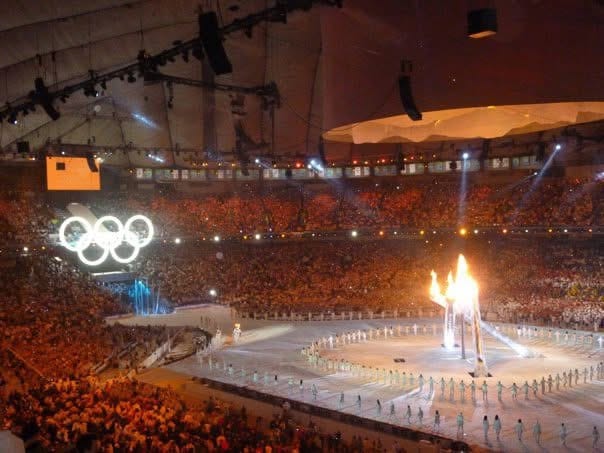
What does the build-up to the Olympic Opening Ceremony really feel like for athletes?
It’s a mix of absolute excitement and a strange calm – but underneath that, there’s a constant hum of nerves. You’ve worked toward this one event for four years, sometimes your entire life, and suddenly you’re there. You’re walking around the Olympic Village surrounded by the best athletes in the world, wearing your team kit, and it hits you: this is really happening.
There’s also a sensory overload. The Village is like a small city that never sleeps – 24-hour food halls, athletes from every nation, volunteers cheering you on. You’re carrying huge kit bags – Team GB kit alone can weigh close to 90 kilos – and juggling logistics, training times, recovery, and media. It’s exciting, but it’s not relaxing. Your body and brain are on high alert.
How is Olympic preparation different from a normal competition?
The biggest difference is mindset. Physically, we actually train less close to the Olympics. In regular competition phases, training volume is high. For the Games, you taper – you reduce training load so your body is rested and ready to peak.
That’s surprisingly hard to trust. You go from eating over 6,000 calories a day during peak training to gradually reducing intake because you’re doing less. Mentally, it can feel like you’re not doing enough, even though it’s exactly what you should be doing.
Psychologically, everything carries more weight. At a normal World Cup, you want to do well. At the Olympics, it feels like the whole world is watching – even if, realistically, they’re not. Managing that pressure is a skill in itself.
How does an athlete’s mindset evolve across multiple Olympic Games?
In my first Olympics, I finished 10th. I was competitive, but I was also a bit wide-eyed. There was less pressure because expectations weren’t as high. It felt like an incredible opportunity.
By the second Games, there was more pressure – externally and internally. That’s when self-doubt can creep in. You start thinking about outcomes, medals, what this means for your career.
By my third Olympics, I was more rehearsed mentally. I knew what the environment would be like, what nerves felt like, and how to manage them. Confidence didn’t mean I wasn’t nervous – it meant I understood how to channel that energy. The goal is always to sit in that sweet spot between excitement and calm, where your body is primed but your mind is clear.
Why do support systems matter under Olympic-level pressure?
They’re huge. People often picture the Olympics as an individual pursuit, but it’s a massive team effort. You have coaches, nutritionists, physios, psychologists – all helping you stay physically and mentally balanced.
Talking to former Olympians was also invaluable. Hearing that your doubts and nerves are normal makes a big difference. It stops you spiralling into “Why do I feel like this?” and helps you focus on performance instead.
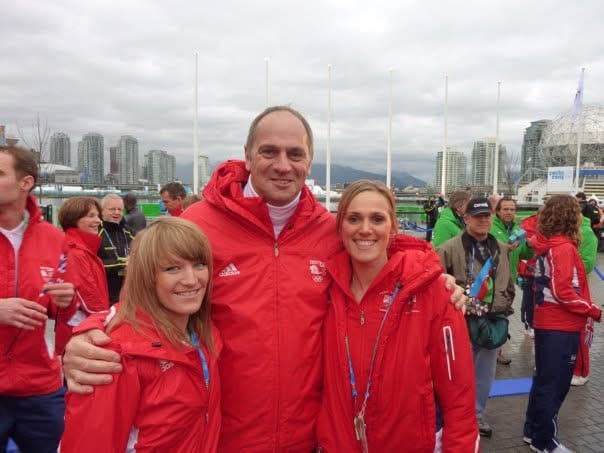
How do environmental factors at the Olympics affect performance?
A lot of people assume the Olympics equals perfect conditions – but that’s not always the case. The ice, for example, is used for multiple sports. Figure skating needs slightly softer ice; we need hard, fast ice. That can make conditions inconsistent.
That’s one reason world records are rare at the Olympics. You’re not just competing against other athletes – you’re adapting to the environment in real time. You have to stay focused on what you can control: your race, your tactics, your mindset.
What changes when athletes take on leadership roles at the Olympics?
Experience changes your role. As one of the older athletes, I became a mentor – helping younger teammates with logistics, routines, and emotional support. The Olympics can be overwhelming, and having someone say, “This is normal, you’ve got this,” really matters.
But there’s a balance. You have to set boundaries so you can still focus on your own performance. That’s part of being a senior athlete – supporting the team while protecting your own mental space.
What Olympic preparation can teach us about body transformation and performance?
So much of it comes down to mindset and trust. Trusting the process, even when it feels counterintuitive. Understanding that recovery is part of progress, not a step back. Fueling for performance rather than appearance.
Olympic athletes don’t just train hard – they recover hard, eat strategically, and look after their mental health. That holistic approach is something everyone can benefit from, whether you’re training for a marathon or simply trying to feel stronger and healthier.
Looking back, what emotion stands out most?
Gratitude. It’s intense, stressful, emotional – but it’s also an incredible privilege. You’re part of something bigger than yourself, representing your country, your team, and everyone who supported you along the way.
That feeling never leaves you.
Follow our weekly Olympic series as Sarah shares more behind-the-scenes insights on training, nutrition, recovery, and the mindset that powers performance at the highest level.
Olympic Preparation & Performance: Key Questions Answered
What is the Olympic preparation mindset?
The Olympic preparation mindset focuses on trusting the training process, balancing intensity with recovery, and managing pressure through experience and mental rehearsal.
Why do Olympic athletes train less before the Games?
Athletes taper their training before the Olympics to allow the body to recover fully and peak at the right moment, even though this can feel mentally challenging.
How important is recovery in elite performance?
Recovery is essential. Olympic athletes prioritise sleep, nutrition, and mental health to support performance – not just physical training.
Can Olympic training principles apply to body transformation goals?
Yes. Trusting the process, fuelling properly, and respecting recovery are key principles that apply to sustainable body transformation at any level.