Muscle Building
Personal Training
Build muscle, increase strength and invest in lifelong physical health with ROAR’s personal training programmes. Improve your physique while developing the strength and physical capability that support healthy ageing.








More Muscle, Built One to One
Building muscle changes how your body looks, performs and ages. Whether you want a more athletic physique, greater strength or to rebuild muscle you have lost, your Roar programme will give you a clear route to measurable improvement.
Muscle growth, known as hypertrophy, requires the right combination of training stimulus, nutrition and recovery. Your Roar trainer selects and progresses exercises to challenge your muscles effectively, with one-to-one coaching focused on technique and effort. Your dedicated nutrition coach aligns your food intake with that work, supporting muscle development and continued progress.
Book a Free Consultation
Muscle Building Results From Roar Clients

Tom
Featured in Men’s Health after 8 weeks

Matthew Holder-Bizou
Built muscle and strength over 24 weeks

Lucy Cleland
Leaner and stronger at 49

Michael Du
Lost 25kg while building muscle

Haley
Lost 17kg and built definition

Adam
Built muscle and improved his lifts
How Your Training Works
Whether you are new to lifting or ready to move beyond a plateau, your programme develops your physique alongside the skills and understanding to keep progressing.
Free Consultation
Meet us at City of London, Kensington or Downtown Dubai. Discuss what you want to achieve, any previous training and how the programme will fit into your week. We establish your priorities and the commitment required.
Assessment
Body composition, baseline health markers and movement and biomechanics assessments establish your starting point. Your trainer assesses your current capabilities and exercise technique to identify suitable movements and areas for development.
Your Training Plan
Your trainer builds a progressive hypertrophy training programme, selecting exercises, repetitions, loads and rest periods. Every session is coached one-to-one, building exercise technique and applying the effort needed to stimulate growth.
Your Nutrition Plan
Your dedicated nutrition coach calculates your protein, carbohydrate, fat and calorie targets to support training and muscle development. Practical guidance helps you fuel your sessions, recover well and make food choices that fit your lifestyle.
Regular Check-Ins
Your trainer and nutrition coach review performance, nutrition, consistency and recovery. Training records and regular body composition assessments guide adjustments, keeping the programme responsive to your progress.
Review and Next Steps
Review improvements in body composition, measurements, photographs and training performance. Your next phase builds on what you have achieved, with clear priorities and the knowledge to continue developing.
Muscle Building Myths
You do not need extreme routines or bodybuilding ambitions to benefit from building muscle. Understanding what works helps you train with purpose and confidence.
Lifting heavy will make women bulky
Lifting weights builds the muscle that gives your body shape and definition, supports your joints and contributes to metabolic health. Women generally have much lower testosterone levels than men, which influences their overall muscular size. Developing a substantially muscular physique takes a sustained commitment to training and nutrition and it does not happen by accident. Your programme is always designed around your goal.
You have to train to failure on every set
A productive set should challenge you, but every set does not need to end with an unsuccessful repetition. Your trainer judges when to push harder and when to stop, balancing the stimulus for growth with the fatigue you need to recover from.
Light weights tone, heavy weights bulk
Greater definition comes from muscle development and appropriate body-fat levels. Both lighter and heavier weights can build muscle when the effort is sufficient. Your trainer chooses the load to suit the exercise and the outcome you are working towards.
You need supplements to build muscle
Consistent training, appropriate food intake and recovery do the essential work. Protein powder can offer convenience, while creatine monohydrate can support training performance. Your nutrition coach helps you decide whether either serves a useful purpose.
Muscle turns to fat when you stop training
Muscle and fat are different tissues. Muscle can decline when training stops, while body fat can increase if food intake exceeds your needs. Continuing to train and adapting your nutrition to your activity helps protect your results.
It is too late to build muscle after 40
Your body remains capable of building muscle well beyond 40. Progressive resistance training improves strength and muscle in older adults, supporting a more capable body now and greater independence as you age.
What Builds Muscle
Building muscle comes from productive training repeated consistently, supported by the food and recovery your body needs. These principles determine how we plan your programme and keep it progressing.
Progressive Overload
Your training develops as your capability grows. That might mean lifting more weight, completing additional repetitions or increasing the work for a particular muscle. Your trainer tracks every session and progresses the challenge while maintaining technique, making each improvement a foundation for the next.
Training Volume
Your muscles need enough challenging work across the week to grow. Your trainer plans the number of sets around your experience, priorities and recovery, giving each area sufficient attention without adding work you cannot recover from.
Effort and Technique
How you lift matters as much as what you lift. Positioning, range of movement and control help direct the work to the intended muscles. One-to-one coaching helps you maintain those standards as the sets become demanding, so your effort produces the desired training stimulus.
Protein and Calories
Your body needs the raw materials and energy to build muscle. Protein supplies the amino acids for repair and growth; carbohydrates help fuel demanding sessions, while dietary fats contribute to normal body function. Your nutrition coach balances these around your goals, supporting development while managing body-fat levels.
Sleep and Recovery
Recovering well helps you return to training ready to perform and progress. We consider sleep, food intake and training fatigue together, so you start each session recovered. The aim is to sustain the quality and consistency of the work that builds muscle.
Women and Muscle
Building muscle helps women develop strength, improve body composition and maintain physical capability through different life stages. Your programme reflects your goals and experience, with adjustments where menstrual symptoms, perimenopause or menopause affect energy, recovery or consistency.
Meet Your Personal Trainers
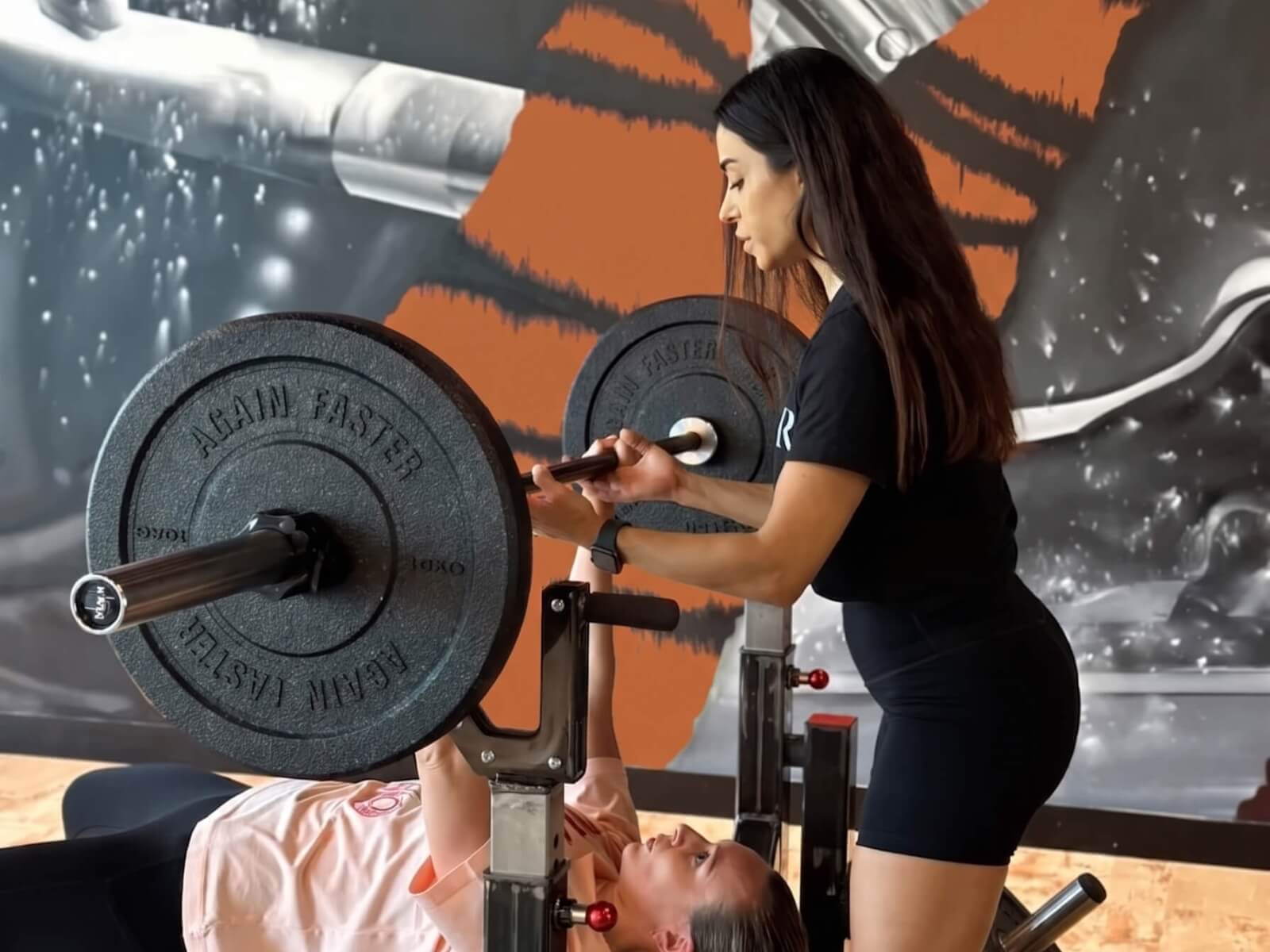
Every ROAR personal trainer is trained in the ROAR Method, developed by three-time Olympian Sarah Lindsay and Rich Phillipps, named by Men’s Health as the UK’s leading body transformation expert.
Our team combines experience in strength and conditioning, competitive sport and bodybuilding with a track record spanning thousands of client transformations. That depth of knowledge translates into purposeful programming, precise technical coaching and informed progression, matching exercises to your biomechanics, addressing barriers to muscle growth and holding you accountable for measurable results.
Meet the Trainers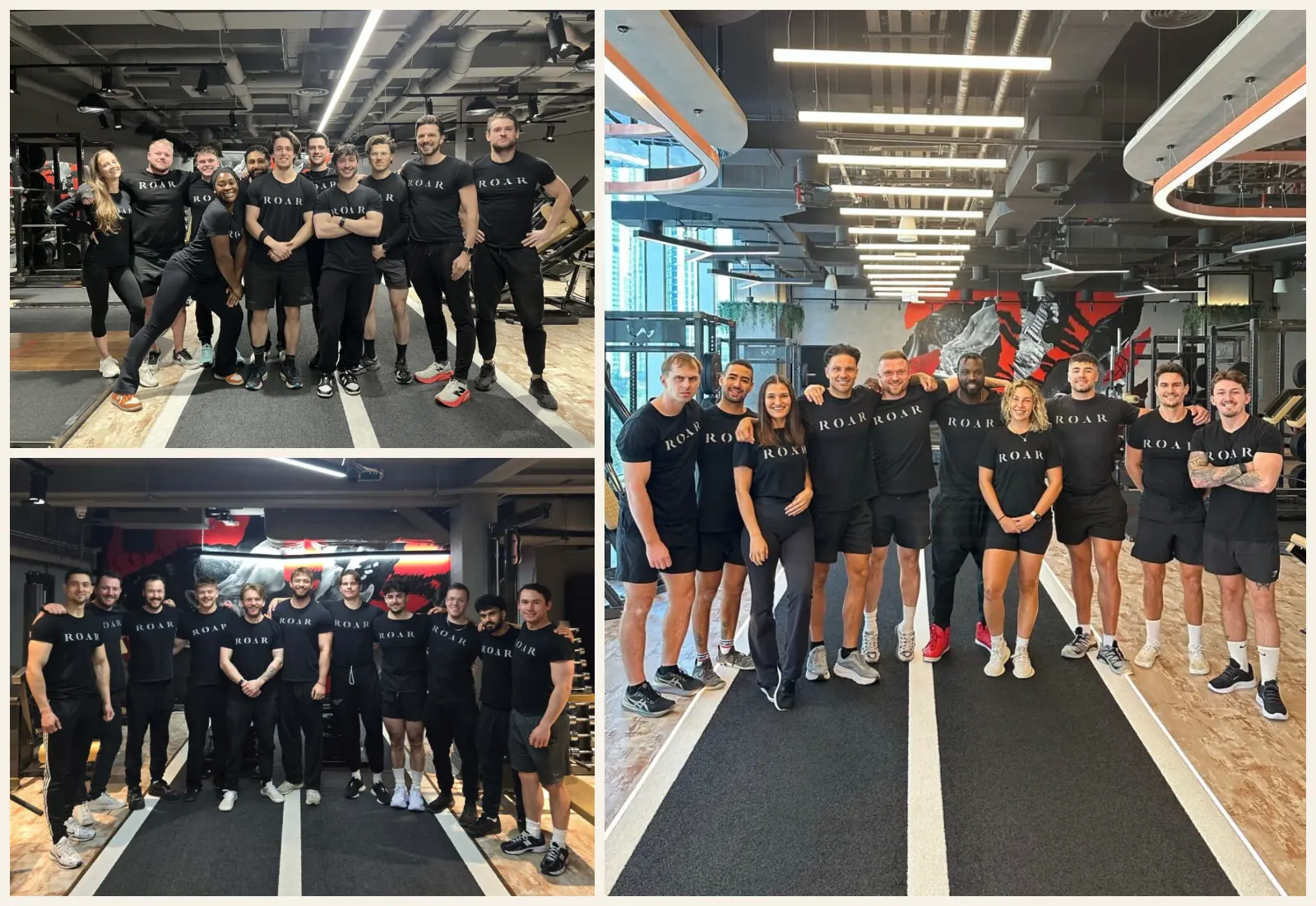
“The UK’s leading expert in
body transformations”

Building Muscle After 40
Building muscle after 40 is an investment in how you look, perform and age. Muscle supports blood sugar regulation, joint stability and the strength to remain active and independent. Progressive resistance training also helps maintain bone density, particularly important for women as oestrogen declines through menopause.
Your body still responds to a meaningful training challenge. The priority is to apply it intelligently: exercises suited to your biomechanics, sufficient resistance to stimulate growth, and nutrition and recovery that support adaptation. At Roar, we bring these elements together to help you build strength and muscle now, while developing the habits that protect your physical capability for the years ahead.

Choose Your Focus
Other Goals We Train For
Explore other ROAR programmes to improve body composition, build strength and support long-term health.


Book Your
Free Consultation
Frequently Asked Questions
Answers to the questions we hear most about building muscle with a personal trainer. Anything else, ask us at your free consultation.
How long does it take to build muscle with a personal trainer?
Strength can improve within weeks, with noticeable increases in muscle size possible over six to twelve weeks of consistent training. How quickly definition becomes visible also depends on your body fat levels. Training age matters: beginners and those returning after a break often progress faster than experienced lifters. Tom’s 8-week transformation was featured in Men’s Health. Your own progress depends on your starting point, nutrition, recovery and consistency.
How many sessions a week do I need to build muscle?
Three sessions per week is a common starting point at Roar. Your trainer distributes the work to give your muscles sufficient stimulus and recovery. The best schedule is one that supports productive sessions and that you can follow consistently.
Should I lift heavy or light weights to build muscle?
Both can build muscle when sets are sufficiently challenging. Your trainer chooses loads and repetition ranges that suit the exercise, your ability and the goal. Progress means challenging your muscles effectively while maintaining form and technique.
How much protein do I need to build muscle?
Around 1.6-2.0 grams per kilogram of body weight per day is a useful reference for many healthy adults. Your nutrition coach personalises your target and helps you achieve it through meals that fit your preferences and routine.
Do I need supplements to build muscle?
Training, food and sleep are the foundation. A protein shake helps if you struggle to eat enough protein, and creatine is one of the few supplements with strong research behind it. Your nutrition coach will advise on whether supplements could support you.
Can I build muscle and lose fat at the same time?
Yes, particularly if you are new to resistance training or returning after a break. This is known as body recomposition. Your starting point and experience determine the approach; more experienced clients may progress better through separate phases focused on muscle growth and fat loss. Michael lost 25kg whilst building a considerable amount of muscle on his Roar programme.
Will lifting weights make me bulky?
Substantial muscle development requires sustained work and happens progressively. Your programme is built around your preferred outcome, with regular reviews to assess development. Many clients want to become stronger and more defined while supporting their long-term health. Haley achieved just this despite her initial reservations.
Am I too old to build muscle?
No. Muscle responds to training at any age, and it matters more as you get older. Lucy Cleland started at 49 and was leaner and stronger after three months.
Do I need gym experience to start?
No. Your trainer teaches every lift from your first session and sets the weights for your level. Many of our clients start with no strength training experience at all.
How much does muscle building personal training cost?
Pricing depends on your location, programme length and number of sessions. Your free consultation covers the recommended programme, what it includes and the full cost.
Where can I train with Roar to build muscle?
At our private gyms in the City of London, Kensington and Downtown Dubai. Our two London gyms are covered on the personal training in London page. For the UAE, see personal training in Dubai. If you live further away, you can train with us remotely through online personal training.